
Celebrating 25 Years of Guide Studio!
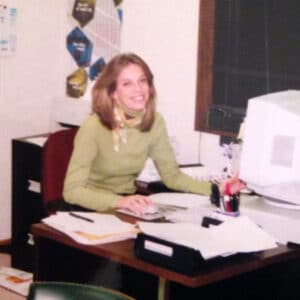 Rachel Downey has dedicated literally half her life to nurturing Guide Studio from a fledgling graphic design firm to a sought-after design consultancy specializing in branding and wayfinding.
 Landmark athletic facilities are a crucial part of life in Ohio, a culture that Guide Studio has embraced during our 25 years in operation. Guide has helped area sports teams direct fans to their seats while providing clear and concise brand messaging.
 Guide Studio helped Heinen’s articulate the shopper experience through a new signage and environmental graphics program. As a third-generation premier grocer, the Heinen’s store brand centers on quality, value and service.
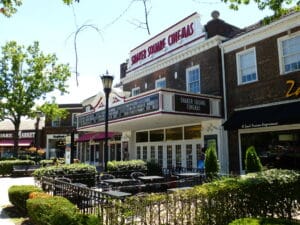 Guide Studio is passionate about connecting people with communities and public places. Connection was also the goal when Guide moved to its current Shaker Square location from Willoughby in 2006.
 Visitors to the college expect to find their way around without issue, meaning every interactive touchpoint they encounter must be clear and concise. “It’s important to consider how a first-time user understands their surroundings and moves around them comfortably."
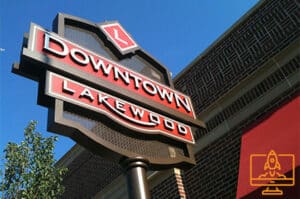 The city’s proximity to Cleveland’s near-west neighborhoods and positioning between Lake Erie and a major highway provides an attractive advantage for residents and businesses, but people must navigate through densely populated residential neighborhoods to get to the city’s downtown.
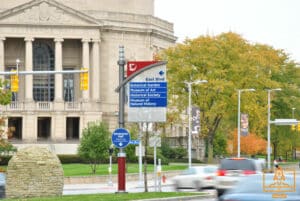 A project Guide took on in 2007 with University Circle, Inc. (UCI) became a springboard into sizeable city and district-based signage and wayfinding programs of all kinds.
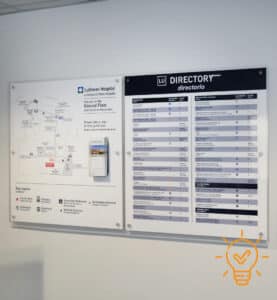 A positive patient experience in healthcare builds trust in providers and allows individuals to become more engaged in their own care. Wayfinding is key to this work, as a well-executed program can improve operational efficiency, reinforce hospital branding, and reduce patient and visitor stress.
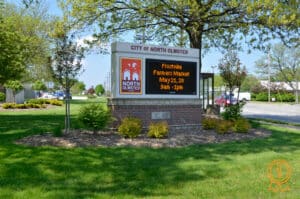 North Olmsted engaged Guide Studio in design of a new visual identity as well as city entry and facility identification signs. Guide first re-evaluated the brand identity, finding a lack of communication around a healthy economy and other positive neighborhood and city services.
 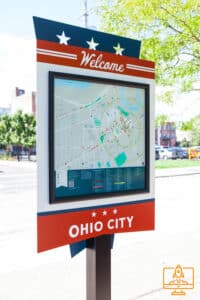 Ohio City is one of Cleveland’s oldest neighborhoods. Located on the near west side, just over the Cuyahoga River, it is home to one of Cleveland’s most significant cultural treasures — the West Side Market. In 2011, the neighborhood hired Guide Studio to create a neighborhood wayfinding program ahead of its bicentennial the following year.
2011-07-22
Bringing a College-Town’s Personality to Life Through Signage and Wayfinding
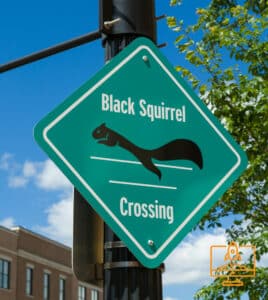 Not all college towns are alike, notes Guide Studio President Cathy Fromet. Some universities like to keep students on campus, whereas others prefer enrollees to experience life outside the comfort of well-manicured greens and stately buildings.
2011-07-22
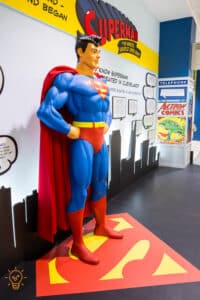 Although Guide Studio has built its reputation on branding and wayfinding, there have been projects over the years that fall outside the bounds of the firm’s normal portfolio.
 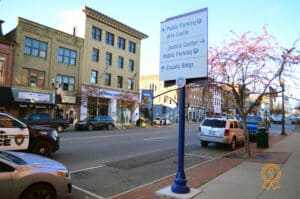 Many times, organizations will cite a problem by saying “We need wayfinding.” Once deeper questions are asked around the issues they are trying to solve, the answer of simply developing a signage and wayfinding program may not be so clear.
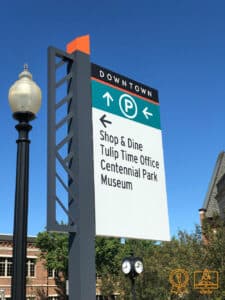 Guide Studio’s current client portfolio represents a mix of local and out-of-state communities and organizations. However, that growth required leaving a happy place of well-known cities and neighborhoods for uncharted territories and new adventures.
 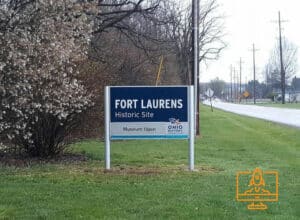 The “Ohio Historical Society” rebranded to “Ohio History Connection”, and with most rebrands, the name and visual identity needed to change on all their site and facility signage. “Anytime you’re changing your identity, signage is one of the first things you’ll want to change as a place or destination,” says Guide President Cathy Fromet.
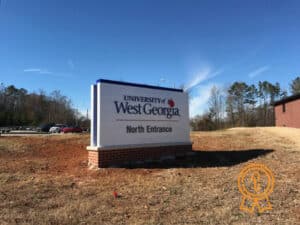 UWG serves a large commuter population, in addition to welcoming tens of thousands of visitors for university-related events and other activities. However, existing signage had become outdated, with directional and building identification lacking a visual hierarchy in how it presented information.
Icon Legend:

Guide First

Did you know?

Springboard Project

Long-term Relationship

Boomerang (employee)